Building Trust Through Web Design
Your website is often the first impression potential clients get. We’ll show you the design elements that build credibility and make visitors feel confident doing business with you.


Why Design Matters More Than You Think
Here’s the thing about first impressions — they happen in seconds. When someone lands on your website, they’re deciding whether to trust you before they’ve even read a full sentence. That decision isn’t based on your words. It’s based on how your site looks, feels, and guides them.
We’ve worked with hundreds of small business owners in Hong Kong, and the ones who win aren’t always the ones with the fanciest designs. They’re the ones who understood that trust is built through consistency, clarity, and genuine attention to the visitor’s experience. Your design is your silent salesperson — and it’s working 24/7.
The Trust Factor
Studies show that 75% of users judge credibility based on web design alone. That’s not pressure — that’s opportunity.
Professional Design Doesn’t Mean Complicated
One of the biggest mistakes we see is websites that try to do too much. You’ve got blinking animations, cluttered layouts, fonts that don’t match, colors that clash. Your visitors leave confused instead of convinced.
Professional design is actually the opposite. It’s intentional. Clean. Every element has a purpose. When you visit a site you trust — like a bank, a design studio, or a premium service — notice what’s NOT there. There’s breathing room. The navigation makes sense. You know exactly where to go next.
What professional design includes:
- Consistent typography — maximum 2-3 font families
- Clear visual hierarchy so visitors know what matters
- Plenty of whitespace to reduce cognitive load
- Color palette that’s deliberate, not random
- Fast load times — nobody trusts a slow site

Navigation Should Feel Natural
Think about the websites you actually trust. How long does it take you to find what you’re looking for? Usually not long. That’s intentional design at work.
Your menu structure matters. Your call-to-action buttons need to stand out without being obnoxious. Your footer should tell visitors where they are and where they can go. Most importantly, visitors shouldn’t have to think. They should just know.
We’ve tested this with small business owners repeatedly. A clear, simple navigation structure increases time-on-site by an average of 40%. People stay longer because they’re not frustrated. They’re not leaving in confusion. They’re exploring your site and building confidence in your business.
Educational Note
This guide is for educational purposes to help you understand web design principles. Every business has unique needs, and results depend on many factors beyond design alone. We recommend testing these concepts with your own audience and consulting with professionals for your specific situation.
Visual Consistency Builds Confidence
Imagine walking into a restaurant where the menu fonts change on every page, the colors are different in each room, and the staff uniforms don’t match. You’d feel confused. Unprofessional. You’d wonder if they have their act together.
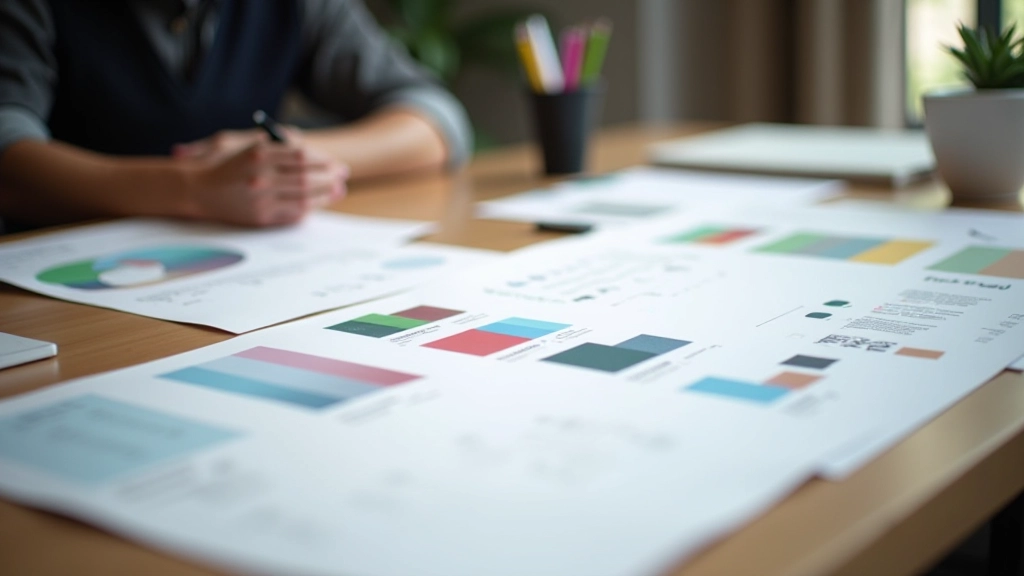
Your website needs the same consistency. Your logo should look the same everywhere. Your buttons should feel like buttons. Your text should be readable. When everything matches a clear design system, visitors unconsciously register that you’re organized and trustworthy.
This doesn’t mean boring. We work with businesses that have vibrant, exciting designs. But those designs follow a system. They’re not random. A boutique marketing agency might use bold colors and dynamic layouts, but those choices are deliberate and consistent throughout. That’s what builds trust — not blandness, but intentionality.
Small Details Signal Trustworthiness
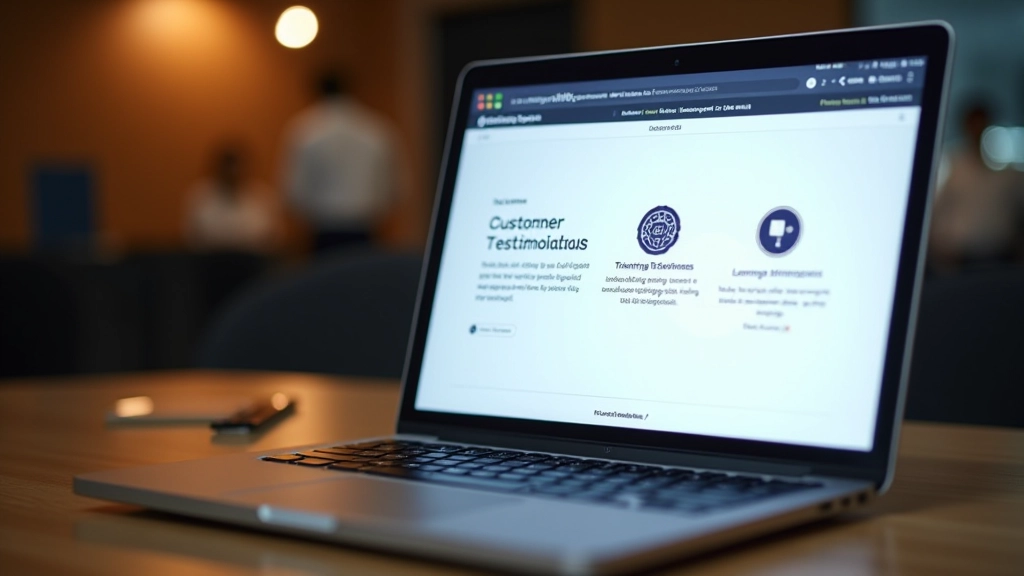
You don’t need to do anything fancy. Just the basics that show you care. A clear privacy policy. An easy-to-find contact page. Testimonials from real customers. A professional email address (not a Gmail). Your business information accurate and consistent across the web.
These aren’t revolutionary concepts. But they’re the ones that actually work. We’ve watched small businesses in Central, Causeway Bay, and throughout Hong Kong transform their credibility by getting these fundamentals right. You don’t need a massive budget. You need attention to detail and genuine care about the visitor experience.
The goal isn’t to impress designers. It’s to reassure customers that you’re legitimate, you’re organized, and you’re worth their time.
Start With One Thing
You don’t need to redesign everything tomorrow. Pick one element to improve. Maybe it’s your navigation — make sure it’s clear and easy to use. Maybe it’s your color palette — simplify it down to 3-4 colors that work together. Maybe it’s your typography — choose one readable font family and stick with it.
Small changes compound. When your visitors navigate your site with ease, find the information they need, and see consistency throughout, something shifts. They begin to trust you. They stay longer. They’re more likely to become customers.
That’s the real power of design. It’s not about looking pretty. It’s about communicating that you’re professional, organized, and worth doing business with. And that happens in seconds, through design.